How the Rolling Stones Rescued ‘Start Me Up’ From Obscurity
Time, as the Rolling Stones' Keith Richards would readily admit, can offer new perspective. That certainly was the case with "Start Me Up," which had originally boasted a reggae vibe during sessions for 1976's Black and Blue.
"I was convinced that was a reggae song. Everybody else was convinced of that: 'It's reggae, man,'" Richards told Guitar World. "We did 45 takes like that."
Frustrated with the lack of progress, the Rolling Stones put aside the demo – then simply called "Never Stop" – and worked on other tracks. It was "just forgotten about, a reject," Mick Jagger told Rolling Stone magazine.
The Rolling Stones Eventually Transformed 'Start Me Up'
Thankfully, that wasn't the end of its story. The Rolling Stones returned to "Start Me Up" while working on 1978's Some Girls, before finally releasing it on Aug. 14, 1981, as part of Tattoo You. By then, "Start Me Up" had undergone a dramatic transformation into the smutty rocker that it always needed to be.
“When they started playing it this time, it wasn't a reggae song," engineer Chris Kimsey later told Rolling Stone. "It was what we know today as the great 'Start Me Up.' It was Keith's song; he just changed it."
READ MORE: Top 10 Post-'Some Girls' Rolling Stones Songs
Nearly half a decade passed before the Rolling Stones wisened up. They might never have, if additional material hadn't been required to polish off a new album before heading out again on tour. Jagger came across a lone rock-focused attempt at "Never Stop" while going back through the archives.
"I like it very much," Jagger told the Los Angeles Times, sensing that they had the makings of "a very good rocker."
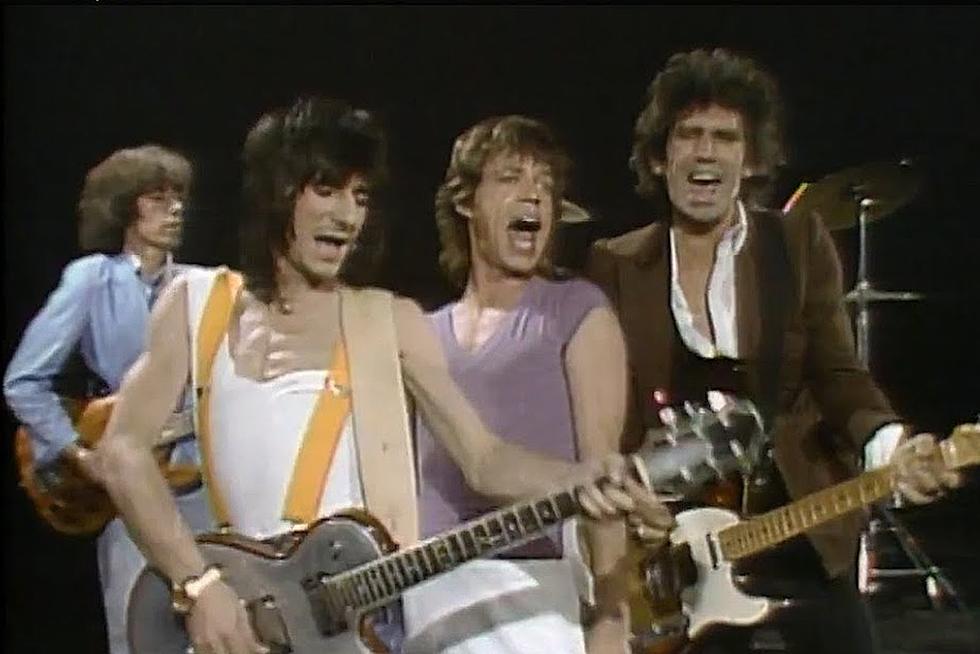
Watch the Rolling Stones' 'Start Me Up' Video
Why a Keith Richards Riff Changed Everything
The Rolling Stones finished the song over about six hours in the studio, then released it 10 days before Tattoo You arrived on store shelves. "Start Me Up" raced into the charts, hitting No. 2 in the U.S. while becoming the band's last U.K. Top 10 hit.
"The funny thing was that it turned into this reggae song after two takes – and that take on Tattoo You was the only take that was a complete rock 'n' roll take," Jagger told Rolling Stone. "And then it went to reggae completely for about 20 takes – and that's why everyone said, 'Oh, that's crap. We don't want to use that.' And no one went back to Take 2, which was the one we used, the rock track."
Jagger was sparked, years later, by Richards' turn on the guitar. "It was Keith's great riff," Jagger told Rolling Stone, "and I wrote the rest." But this was no ordinary riff.
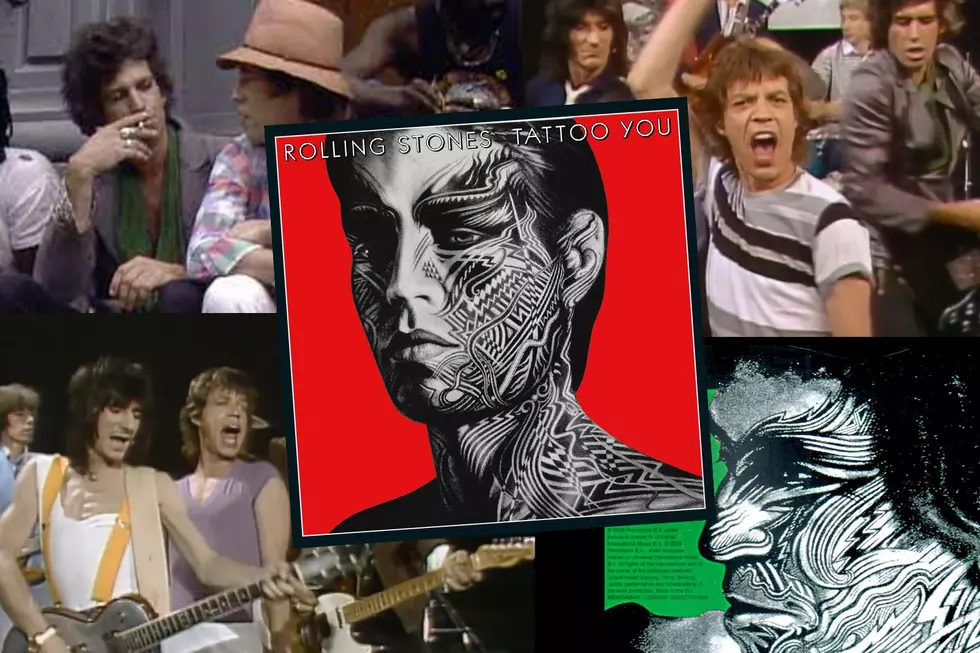
In a process that Richards dubbed "turning the beat around," he slips behind the late Charlie Watts' cadences instead of sticking with rock's typical emphasis on the twos and fours. The results feel loose and subconscious, but closer listens reveal a kind of mathematical genius.
"He's a guy who understands how to just play in the moment," Rolling Stones producer Don told the Sun-Sentinel. "He knows how to get in touch with the feeling of a song and to translate that into music in a very spontaneous way. He's like a great jazz musician, really."
READ MORE: Revealing the Stories Behind the Rolling Stones' Most Famous Album Covers
Still, Richards always credits Jagger for sniffing out the Rolling Stones' next signature track within those rhythmic cycles.
"On a break, I just played that guitar riff, not even really thinking much about it. Five years later, Mick discovered that one rock take in the middle of the tape and realized how good it was," Richards told Guitar World. "The fact that I missed 'Start Me Up' for five years is one of my disappointments. It just went straight over my head, but you can't catch everything."
Rolling Stones Live Albums Ranked
Gallery Credit: Michael Gallucci
You Think You Know the Rolling Stones?

More From 103.1 The Ticket